10 Best States for Boat Ramp Access, Ranked
We scored every state across four metrics — ramps per capita, ramps per registered boat, waterbody coverage, and water type diversity — using our database of 46,898boat ramps and official USCG vessel registration data. The results weren't what we expected.
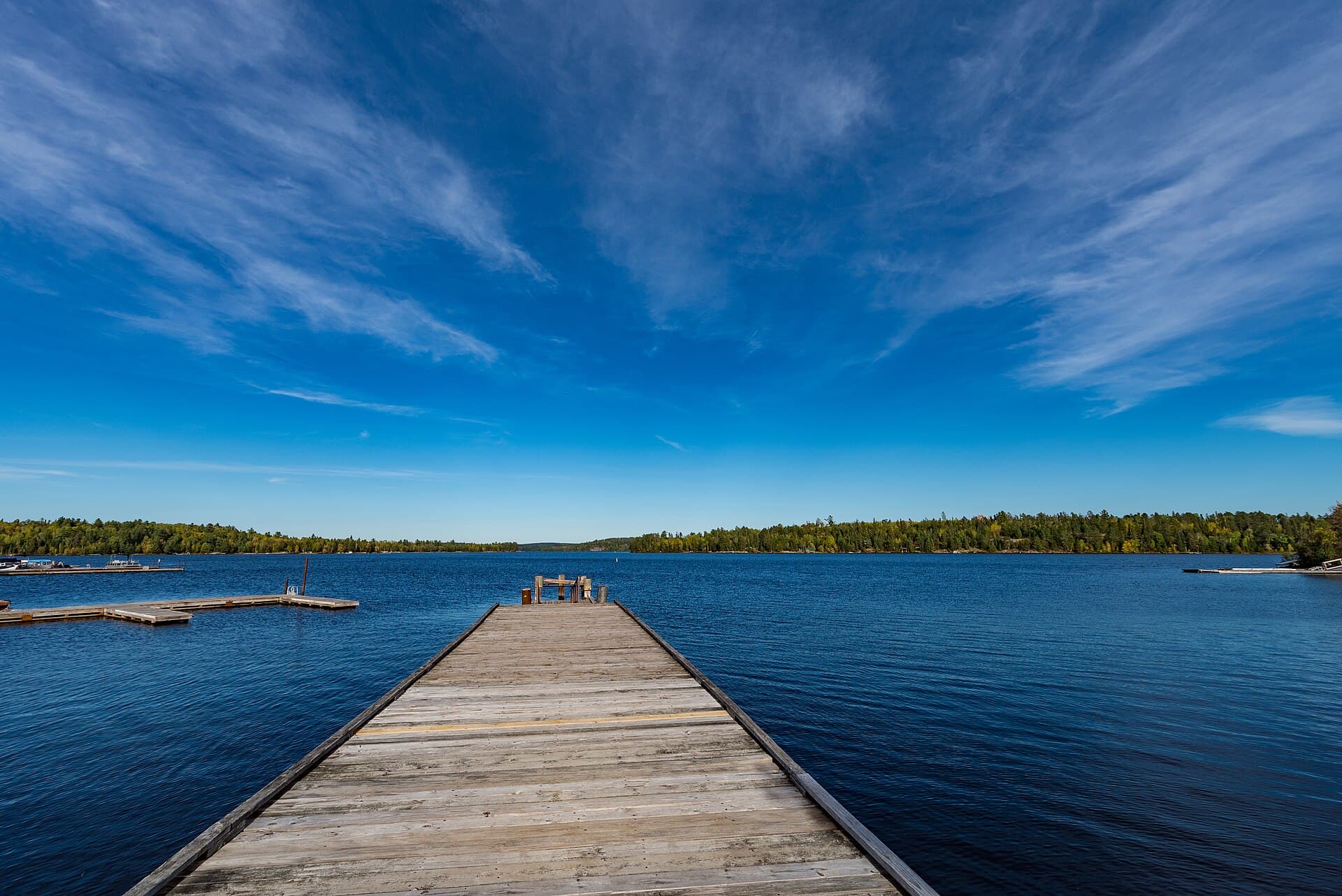
Here's what stood out when we looked at all 50 states side by side.
Key findings
- Minnesota takes the #1 spot — 3,792 ramps across 1,693 waterbodies, more than any other state on both counts.
- North Dakota has the most boat ramps per capita in the country — 80 per 100,000 residents. Florida, despite having the second-most total ramps, ranks just #12.
- Montana leads in ramps per registered boat (12.1 per 1,000), meaning less competition at the dock on Saturday morning.
- West Virginia cracks the top 10 — a genuine surprise driven by river access density.
How We Ranked the States
We looked at four things. Ramps per 100,000 residents and ramps per 1,000 registered boats each count for 30% — these tell you how likely you are to actually find an open ramp when you need one. The number of distinct waterbodies with at least one launch point (30%) captures geographic spread. Water type diversity (10%) gives a smaller bonus to states that offer variety — lakes, rivers, reservoirs, coastal bays.
We deliberately left out amenity data (restrooms, parking, courtesy docks) and fee data from the scoring. Our coverage on those varies too much state-to-state to be fair. We mention them where we have good data, but they don't drive the rankings.
Population data comes from the US Census Bureau (2025 vintage estimates, released December 2025). Boat registrations come from the USCG Recreational Boating Statistics 2024 report, Table 38. Ramp data is from our own database, compiled from USGS, state DNRs, RIDB, OpenStreetMap, and other public sources.
#1. Minnesota
The “Land of 10,000 Lakes” earns the top spot with 3,792 boat ramps — the most in our entire database — spread across 1,693 distinct waterbodies. No other state comes close on either count.
Minnesota does have one thing working against it: its own boaters. The state leads the country in registered boats per capita (about 147 per 1,000 people, per USCG data). With 865,379 registered boats competing for those 3,792 ramps, the ramps-per-boat ratio drops to 4.4 — well below Montana, Idaho, and North Dakota. But the sheer volume and geographic spread overwhelm that constraint.
The Mississippi River, Lake Superior, and the Minnesota River are the biggest access corridors. But the real story is the long tail — hundreds of smaller lakes with one or two quiet ramps. “Let's go to the lake” isn't a plan here — it's a way of life.
#2. North Dakota
Nobody puts North Dakota on their list of top boating states. That's exactly why these numbers are so striking: 80 ramps per 100,000 people — the highest in the country. For context, Florida manages 13.
Lake Sakakawea is the anchor here. It's the second-largest man-made lake in the US by surface area and accounts for over 150 of the state's ramp entries. Devils Lake adds another 21. These are serious fishing destinations, and the state has built the access infrastructure to match — you just don't have to fight a crowd to use it.
#3. Montana
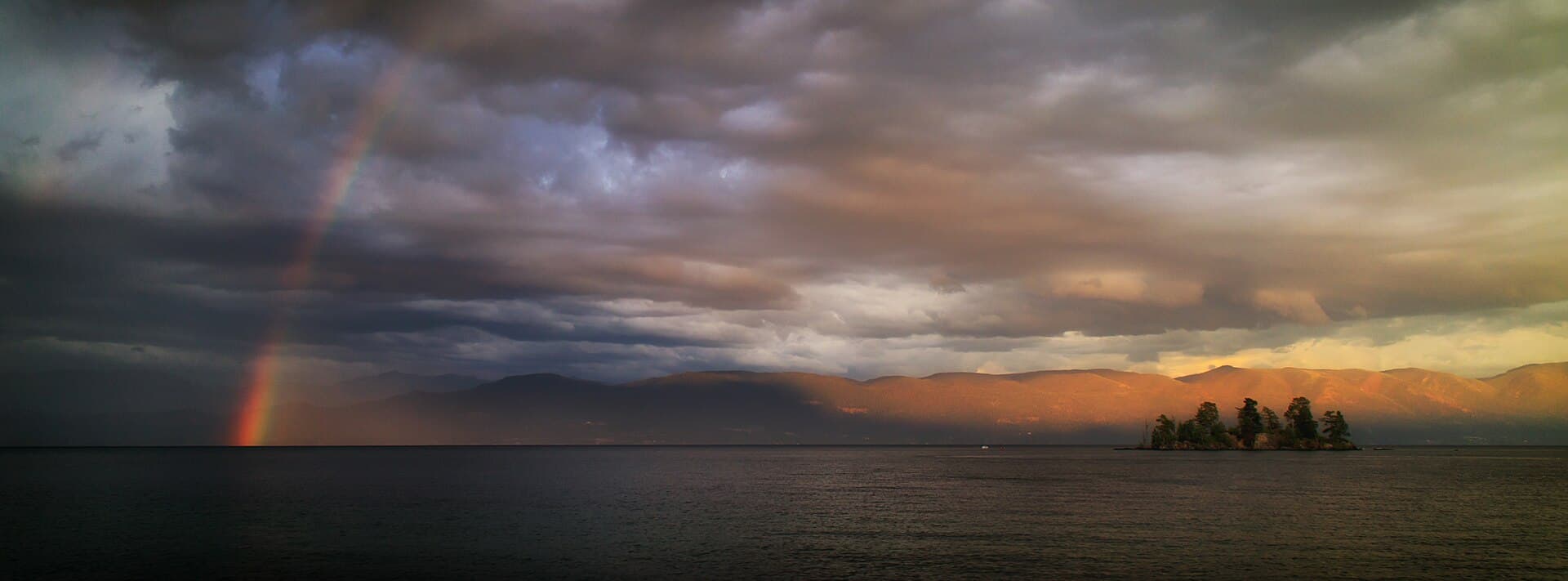
Montana leads the country in ramps per registered boat — 12.1 per 1,000. That means for every thousand registered boats in the state, there are 12 launch points. Compare that to Michigan where it's 3.3. In practice: less waiting, more fishing.
The Yellowstone River alone has 33 launch sites. Flathead Lake, the largest natural freshwater lake west of the Mississippi in the lower 48, has 28. The Missouri and Clark Fork rivers add another 38 between them. Montana doesn't have thousands of ramps, but it has more than enough for the people who live there.
#4. Maine
Maine is a quiet achiever: 978 ramps, 69 per 100k residents, and 523 distinct waterbodies. The Kennebec and Penobscot rivers are the backbone, but Moosehead Lake and Casco Bay show Maine's range — inland lakes, rivers, and Atlantic coast.
For a state with just 1.4 million people, that's a lot of ways to get on the water.
#5. Wisconsin
Wisconsin has 2,901 ramps spread across 1,321 distinct waterbodies. The Wisconsin River leads with 68 launch points, the Mississippi adds 57, and Fox River contributes 49. And there are 1,300+ other lakes and rivers with at least one ramp.
At 48.2 ramps per 100k residents and a population of 6 million, Wisconsin has the rare combination of scale and density. You're never far from a launch in Wisconsin — and the geographic spread across that many distinct waterbodies is what keeps it firmly in the top five.
#6. Idaho
Idaho is a river state, and the data shows it. The Snake River has 99 launch points — the most of any single waterbody in Idaho's database. Lake Pend Oreille adds 46, the Salmon River contributes 41, and the Clearwater River has 34. These are big, navigable waterways with serious infrastructure.
The ramps-per-boat ratio is 10.1, fourth-best in the country. If you're looking for uncrowded river launches in the mountain west, Idaho is hard to beat.
#7. Oregon
Oregon has something most states don't: five distinct water types represented in its ramp network — lakes, rivers, coastal waters, reservoirs, and even swamps. The Rogue, Umpqua, and Columbia rivers provide inland access, while the coast offers saltwater launches from Astoria to Brookings.
Oregon also has the best amenity data in our database, with the majority of its 1,365 ramps reporting on restrooms, parking, and other facilities. Of those, about 54% are confirmed free. When a state bothers to track and publish amenity data, it usually means they're investing in the infrastructure to go with it.
#8. Alaska
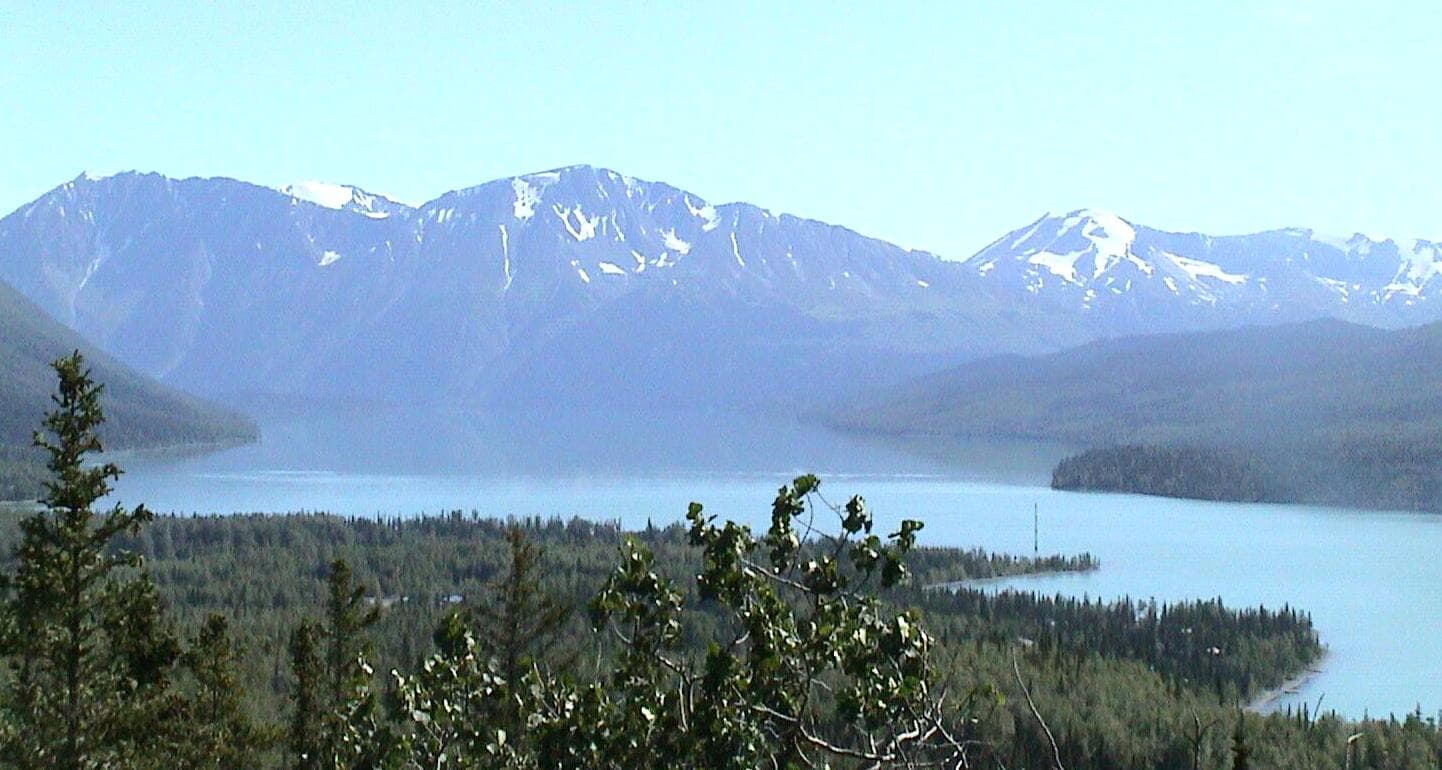
375 ramps in a state the size of Texas, California, and Montana combined. The number sounds low until you remember that most of Alaska is reachable only by float plane. The ramps that do exist are concentrated where people actually live: the Kenai River (20 launches), Chena River near Fairbanks (10), and the Kachemak Bay area.
50 ramps per 100k puts Alaska well above the national median. If you're in Anchorage or the Kenai Peninsula, the access is genuinely good. If you're in the bush, you probably own a plane instead of a trailer.
#9. Vermont
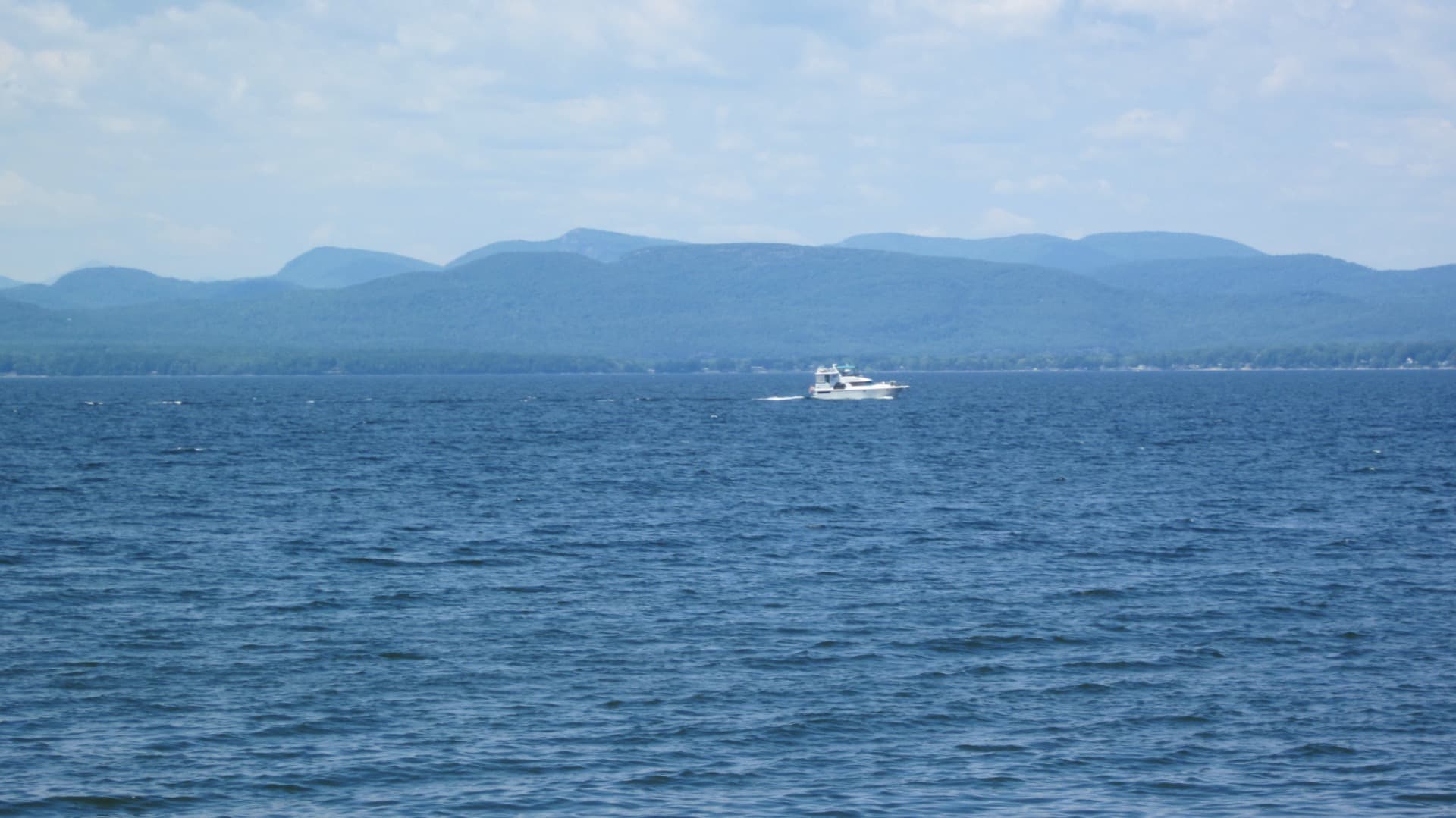
Vermont is small — 252 ramps — but they punch above their weight. Lake Champlain alone has 52 launch points, making it one of the most accessible large lakes in the northeast. The Connecticut River and Otter Creek fill out the river access.
With just 648,000 residents and 27,000 registered boats, the math works out: 38.9 ramps per 100k people and 9.3 per 1,000 boats. Vermont won't win on total numbers, but it's a remarkably easy state to launch a boat in.
#10. West Virginia
The surprise entry. West Virginia doesn't show up on most people's boating radar, but the data says otherwise: 504 ramps for 1.77 million people, and a ramps-per-boat ratio of 10.6 — second-best in the country, behind only Montana.
This is a river state, full stop. The Elk, Guyandotte, Ohio, West Fork, and New rivers each have 19-23 launch points. These aren't glamorous marina launches — they're concrete pads on working rivers. But they're there, they're accessible, and there aren't many people competing for them.
Honorable Mentions
New Hampshire narrowly missed the top 10 with strong per-capita numbers and 5 water types. Florida lands at #12 — the most total ramps after Minnesota but diluted by 24 million people. Arkansas surprised us with 1,275 ramps, more than most people would guess.
All 50 States, Ranked
| # | State | Ramps | Per 100k | Per 1k Boats | Waterbodies | Score |
|---|---|---|---|---|---|---|
| 1 | Minnesota | 3,792 | 64.6 | 4.4 | 1,693 | 62.9 |
| 2 | North Dakota | 650 | 80.1 | 10.5 | 289 | 61.4 |
| 3 | Montana | 649 | 56.5 | 12.1 | 173 | 56.4 |
| 4 | Maine | 978 | 69.1 | 8.5 | 523 | 55.7 |
| 5 | Wisconsin | 2,901 | 48.2 | 4.8 | 1,321 | 52.5 |
| 6 | Idaho | 935 | 45.3 | 10.1 | 214 | 47.0 |
| 7 | Oregon | 1,365 | 31.7 | 9.1 | 433 | 44.1 |
| 8 | Alaska | 375 | 50.2 | 8.6 | 179 | 42.5 |
| 9 | Vermont | 252 | 38.9 | 9.3 | 147 | 41.0 |
| 10 | West Virginia | 504 | 28.5 | 10.6 | 152 | 39.5 |
| 11 | New Hampshire | 603 | 42.4 | 5.9 | 357 | 37.5 |
| 12 | Arkansas | 1,275 | 40.8 | 5.9 | 439 | 36.9 |
| 13 | Florida | 3,163 | 13.0 | 2.7 | 1,319 | 35.6 |
| 14 | South Dakota | 448 | 47.8 | 7.5 | 22 | 35.5 |
| 15 | Wyoming | 206 | 34.8 | 8.5 | 106 | 34.8 |
| 16 | Michigan | 2,602 | 25.4 | 3.3 | 1,070 | 34.7 |
| 17 | Washington | 1,588 | 19.5 | 6.9 | 581 | 34.4 |
| 18 | Indiana | 943 | 13.4 | 4.9 | 459 | 31.0 |
| 19 | Iowa | 1,164 | 35.4 | 5.3 | 285 | 29.0 |
| 20 | Nebraska | 432 | 21.2 | 5.6 | 243 | 25.1 |
| 21 | Pennsylvania | 1,426 | 10.8 | 5.1 | 363 | 23.1 |
| 22 | Illinois | 1,024 | 8.0 | 5.8 | 294 | 22.9 |
| 23 | Massachusetts | 645 | 8.9 | 5.1 | 358 | 22.4 |
| 24 | Mississippi | 573 | 19.5 | 4.4 | 228 | 21.9 |
| 25 | Texas | 1,923 | 5.9 | 3.5 | 595 | 20.7 |
| 26 | New York | 1,596 | 7.9 | 3.7 | 590 | 20.7 |
| 27 | Kentucky | 807 | 17.3 | 5.7 | 221 | 20.6 |
| 28 | Kansas | 473 | 15.7 | 6.0 | 169 | 20.0 |
| 29 | Tennessee | 1,298 | 17.6 | 5.3 | 204 | 19.3 |
| 30 | Louisiana | 925 | 20.0 | 3.2 | 325 | 19.1 |
| 31 | Maryland | 708 | 11.1 | 4.2 | 271 | 19.0 |
| 32 | Colorado | 411 | 6.8 | 5.7 | 191 | 17.5 |
| 33 | Missouri | 996 | 15.8 | 3.5 | 329 | 17.0 |
| 34 | Oklahoma | 705 | 17.0 | 4.3 | 168 | 16.7 |
| 35 | Virginia | 779 | 8.7 | 3.6 | 250 | 15.9 |
| 36 | Georgia | 911 | 8.0 | 2.8 | 299 | 15.7 |
| 37 | Delaware | 169 | 15.6 | 3.9 | 113 | 15.6 |
| 38 | North Carolina | 1,030 | 9.1 | 3.0 | 305 | 15.3 |
| 39 | Hawaii | 83 | 5.7 | 6.0 | 23 | 14.8 |
| 40 | Utah | 337 | 9.3 | 5.0 | 105 | 14.7 |
| 41 | South Carolina | 754 | 13.3 | 2.1 | 210 | 14.2 |
| 42 | California | 1,417 | 3.6 | 2.4 | 451 | 12.6 |
| 43 | Connecticut | 294 | 7.9 | 3.3 | 158 | 11.7 |
| 44 | Alabama | 599 | 11.4 | 2.4 | 147 | 11.7 |
| 45 | Rhode Island | 137 | 12.1 | 3.6 | 82 | 11.5 |
| 46 | Ohio | 1,156 | 9.6 | 1.8 | 304 | 10.7 |
| 47 | New Jersey | 395 | 4.1 | 2.6 | 172 | 8.3 |
| 48 | New Mexico | 102 | 4.7 | 3.6 | 54 | 8.2 |
| 49 | Arizona | 318 | 4.1 | 2.0 | 128 | 6.0 |
| 50 | Nevada | 82 | 2.4 | 2.0 | 34 | 2.0 |
Wait, Where's Florida?
#13. Florida has 3,163 ramps — second-most in the country — and 1,319distinct waterbodies with launches. By raw count, it's one of the best-served states in America. But 24.3 million people and 1.17 million registered boats dilute the per-capita numbers hard. Florida's ramp-to-boat ratio is just 2.7per 1,000 — near the bottom nationally. If you've ever waited in line at a South Florida boat ramp on a Saturday, this won't surprise you at all.
Methodology
Every state was scored on four metrics, each normalized to a 0–100 scale before weighting:
- Ramps per 100,000 residents (30%) — Total ramps divided by state population, ×100,000. Population from US Census Bureau, 2025 vintage estimates (released December 2025).
- Ramps per 1,000 registered boats (30%) — Total ramps divided by USCG-registered recreational vessels, ×1,000. Registration data from USCG Recreational Boating Statistics 2024, Table 38 (2024 calendar year). Note: registration scope varies by state — some count all watercraft, others only motorized vessels.
- Waterbody coverage (30%) — Count of distinct named waterbodies with at least one ramp in the state. This is the strongest measure of geographic spread — a state with ramps on 1,500 different lakes and rivers serves its boaters better than one with the same number of ramps concentrated on a few waterbodies.
- Water type diversity (10%)— Count of distinct water types (lake, river, reservoir, bay, coastal, etc.) represented among the state's ramps. Lower weight because most states cluster at 3–5 types and the range is narrow.
One fair critique: this ranking doesn't account for seasonality. Seven of the top 10 states — Minnesota, North Dakota, Montana, Maine, Wisconsin, Vermont, and arguably Idaho — have boating seasons well short of year-round. A Floridian launching in January might reasonably point out that ramps-per-capita matters less when the ramps are frozen five months a year. That's valid. But access infrastructure is still access infrastructure, and the states that build it tend to use it hard when the season is on.
Pushing the season in cold-weather states
Half a dozen of the top 10 freeze hard. The gear that keeps a Minnesota or Maine shoulder-season morning from being miserable:
- Glacier Glove Pro Angler gloves· Amazon ↗ (~$60). Neoprene, fingerless option, the standard on cold-water boats.
- Frogg Toggs Ultra-lite2 rain jacket· Amazon ↗ (~$25). Packs into nothing. Lives in the boat bag.
- HotHands hand warmers, 10-pack· Amazon ↗ (~$7). Five trips’ worth, costs less than a gas-stop coffee.
As an Amazon Associate, BoatRampMap.com earns from qualifying purchases. Commissions help keep the directory free.
Amenity data (restrooms, parking, courtesy docks) and fee status were excluded from scoring due to inconsistent coverage across states. They are mentioned in state descriptions where data quality is sufficient.
Ramp data is compiled from USGS, state DNR databases, the Recreation Information Database (RIDB), OpenStreetMap, and other public sources. Database last updated March 2026.
Frequently Asked Questions
What is the best state for boat ramp access?
Minnesota. It ranks #1 in our composite scoring with 3,792 ramps across 1,693 waterbodies, 64.6 ramps per 100,000 residents, and the widest geographic coverage of any state. North Dakota and Montana round out the top three.
Which state has the most boat ramps?
Minnesota, with 3,792 ramps across 1,693 distinct waterbodies. Florida is second with 3,163, followed by Wisconsin with 2,901. You can browse boat ramps by state to see the full breakdown.
Which state has the most boat ramps per capita?
North Dakota, at 80.1 ramps per 100,000 residents. Maine (69.1), Minnesota (64.6), and Montana (56.5) round out the top four. Small populations and strong public access investment drive these numbers.
Are most boat ramps free?
It depends on the state. In our database, fee data coverage varies widely. States like Oregon (54% confirmed free), Pennsylvania (67%), and Indiana (55%) have high rates of free access. Many other states simply don't report fee status consistently. Browse our free boat ramps directory to find confirmed no-fee launches near you.
How can I find a boat ramp near me?
Use our zip code search to find boat ramps within any radius of your location. You can also browse the interactive map or explore by state.